Choosing the right heating solution is one of the most important energy decisions homeowners can make. Across North Texas and Oklahoma, families continue comparing propane vs electric heating in Texas to understand which option delivers the best balance of cost, efficiency, and reliability.
Both systems provide warmth during the winter months, yet they rely on very different energy sources, equipment designs, and operating costs.
At McCraw Oil and Propane, we help homeowners evaluate heating systems every day. Our goal is to explain the advantages of each option clearly so families can choose the best system for their house, lifestyle, and energy budget.
Home Heating Options in Texas and Oklahoma
Homes across Texas and Oklahoma use a variety of heating systems, including electric furnaces, heat pumps, natural gas units, and propane heating equipment. Climate conditions play a major role in these decisions. Winters can include mild days followed by sudden cold temperatures that require powerful heating systems capable of warming an entire house quickly.
Electric heating systems rely on grid electricity delivered through the power grid. These systems convert electrical energy into heat through resistance heating elements or heat pump technology. A typical electric system powers a furnace, water heater, or other electric appliances used indoors.
Propane heating systems rely on stored propane fuel. The propane is kept in a tank located outside the home and delivered periodically by propane providers. A propane furnace, propane water heaters, gas ranges, fireplaces, and other propane appliances then use combustion to produce heat.
Each system has unique advantages and limitations. Understanding how they compare helps homeowners make smarter decisions about installation, operating costs, and long term comfort.
Propane vs Electric Heating Texas: Cost Comparison for 2026
Energy prices continue to shift across the country, making cost comparisons an important part of the decision process. In Texas and Oklahoma, homeowners pay for electricity through utility companies, while propane users purchase fuel by the gallon.
Electric heating systems convert electricity directly into heat. Moreover, electricity prices have increased in many areas due to grid demand, infrastructure upgrades, and weather-related energy events. During winter, higher usage can significantly increase utility bills.
Propane heating systems generate heat through combustion inside a furnace or boiler. Because propane produces strong heat output, systems typically require less fuel to reach comfortable indoor temperatures.
Cost Factors Homeowners Should Consider
- Electricity pricing from the regional power grid
- Propane cost per gallon in local delivery areas
- Furnace efficiency ratings and system age
- Home insulation and heat loss
- Maintenance requirements for equipment
A high-efficiency propane furnace can generate substantial heat using a smaller amount of fuel. In many cases, this leads to significant savings over electric resistance heating systems.
Another advantage involves peak electricity demand. When winter storms increase power demand, electricity prices may rise. Propane tanks store fuel on site, allowing homeowners to control their energy supply without relying entirely on the electric grid.
Talk with McCraw Oil and Propane to estimate heating costs for your home and explore propane system options.
Heating Efficiency and Performance of Propane Furnaces and Electric Appliances
Efficiency ratings measure how effectively a heating system converts energy into usable heat. Higher efficiency means less energy is required to produce the same amount of warmth. It can also save money by way of lower utility bills.
Electric resistance heaters or an electric stove will convert nearly all electricity into heat. On paper, this appears efficient, yet electricity generation itself requires significant energy production at power plants. This means the overall efficiency of electric heating depends heavily on the electricity grid.
Propane furnaces provide strong heat output and rapid temperature increases inside the home. Modern propane heating systems deliver high efficiency ratings and maintain comfortable indoor temperatures during cold winter nights.
Efficiency Advantages of Propane Systems
-
Propane furnaces heat homes quickly during cold temperatures
-
Systems produce high heat output for whole-home heating
-
Fuel stored in tanks allows consistent performance during winter demand
-
Propane appliances such as water heaters and fireplaces provide additional heating support
-
High-efficiency combustion technology reduces energy waste
Propane systems also help maintain indoor comfort during sudden temperature changes. In regions where winter weather can fluctuate quickly, powerful heating equipment makes a noticeable difference.
Reliability During Power Interruptions When the Grid Fails
Energy resilience is another important factor when comparing propane and electric heating systems. Severe storms, ice events, and extreme weather can affect the regional power grid.
Electric heating systems rely entirely on grid electricity. When the grid fails or a power outage occurs, electric furnaces and heat pumps stop operating immediately. Homes relying only on electricity lose their heating capability until power is restored.
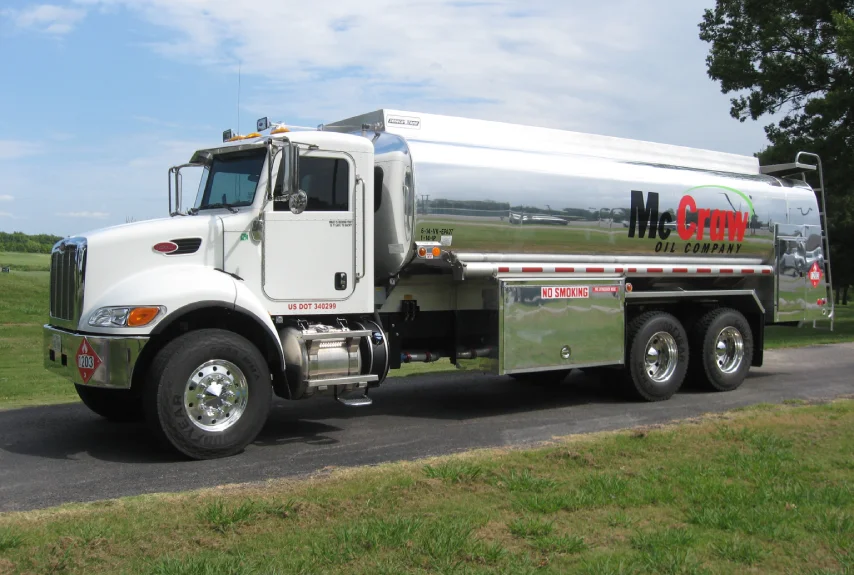
Propane systems offer a different level of reliability. Because propane is stored in an outdoor tank, homeowners maintain a local fuel supply. Many propane heating systems can operate using backup generators, allowing heat to continue even when the grid fails.
This difference became very clear during recent winter weather events across Texas. Homes with proper installation of propane heating systems were able to maintain warmth while electric heating systems stopped working due to grid outages.
Consistent heating is not just about comfort. Maintaining warm indoor temperatures protects plumbing systems, appliances, and household safety during severe weather.
Ask McCraw Oil and Propane about propane systems that help maintain heating reliability during power interruptions.
Environmental Impact and Eco Friendly Heating Considerations
Environmental performance plays an increasing role in heating decisions. Many homeowners want energy systems that support cleaner air and reduced environmental impact.
Propane is considered an eco-friendly alternative fuel under the Clean Air Act. It’s classified as a clean energy source because it produces low emissions compared with many other fossil fuels, such as coal or oil. Propane combustion produces lower carbon output and fewer air pollutants.
Environmental Comparison Factors
-
Propane burns clean and produces low carbon emissions
-
Propane is non-toxic and safe for soil and groundwater
-
Electricity may come from renewable sources or fossil fuels depending on the grid
-
Modern propane appliances meet strict efficiency and emission standards
-
Clean combustion technology helps reduce environmental impact
Compared to other energy sources, many homeowners appreciate propane as an alternative fuel that supports efficient heating while maintaining environmental responsibility.
Installation and Maintenance Considerations
Heating system installation and maintenance also influence long-term safety, cost, and convenience. Electric heating systems typically require fewer components because electricity flows directly from the power grid to the equipment.
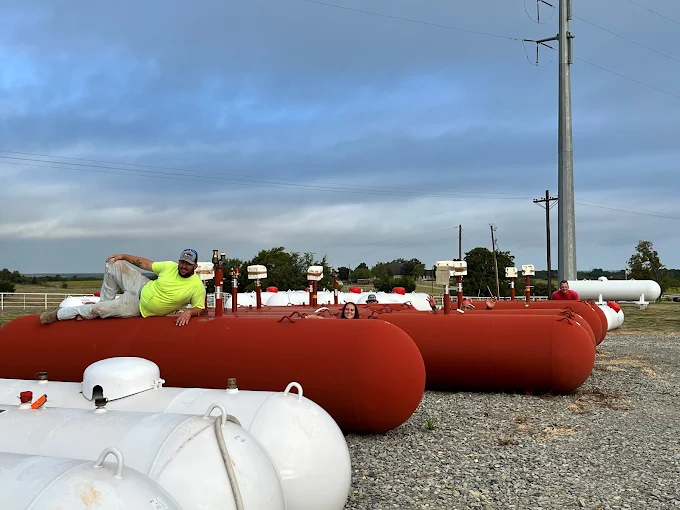
Propane heating systems require a propane tank, fuel delivery service, and specialized combustion equipment. Professional installation ensures the furnace, water heater, and gas appliances operate safely and efficiently.
Maintenance for propane systems generally includes routine inspections, burner cleaning, and safety testing. Electric systems require fewer mechanical components but may still need service for heating elements, thermostats, and electrical connections.
Homeowners who use propane also gain the advantage of using propane for multiple household functions. Propane can power fireplaces, pool heaters, cooking equipment, water heaters, and backup generators.
This versatility makes propane a flexible energy option for households seeking a dependable fuel source for multiple applications.
Our technicians can help evaluate propane installation options for homes across Texas and Oklahoma.
Which Heating System Is Best for Texas and Oklahoma Homes?
The best heating system depends on several factors, including climate, household energy usage, and personal preferences. Electric heating may work well in smaller homes or mild climates with minimal heating demand, especially when using modern electric equipment designed for efficient performance.
Propane heating systems perform particularly well in colder regions or homes requiring strong heat output. Because propane furnaces produce powerful heat, they can warm larger homes efficiently during winter weather.
For homeowners comparing propane vs electric heating Texas, propane often provides meaningful benefits, including reliability, the ability to save on energy costs, and consistent performance.
As a cleaner-burning fuel source, propane is also considered a more eco friendly option that can reduce impact on the environment while maintaining comfort in North Texas and Oklahoma climates.
Frequently Asked Questions
Is propane heating cheaper than electric heating in Texas?
Propane heating can be more cost-effective depending on electricity rates and system efficiency. Compared to some electric appliances and electric equipment, propane’s high heat output often helps homeowners experience lower utility bills.
Can propane power more than heating equipment?
Yes. Propane is a versatile fuel source that can power water heaters, fireplaces, gas ranges, outdoor grills, and pool heaters, making it a flexible option beyond just heating.
What happens during a power outage with propane heating?
Propane systems paired with generator support can continue operating even when grid electricity is unavailable, unlike many systems that rely entirely on electric equipment.
Is propane environmentally friendly?
Propane gas is recognized as a clean burning alternative fuel with lower emissions compared with many fossil fuels.
How long does a propane tank supply last?
The duration depends on home size, heating demand, and appliance usage. Propane delivery providers monitor usage to ensure reliable supply.
Get Expert Guidance on Propane Heating System
Our team works closely with customers to evaluate heating needs, estimate energy costs, and recommend propane solutions that improve comfort and efficiency. From propane furnaces and water heaters to fireplaces and whole home heating systems, we ensure every installation meets high safety and performance standards.
Contact McCraw Oil and Propane to discuss propane heating options and discover how propane can power your home with dependable warmth and efficiency throughout the winter season. Switch to McCraw Now!